
01. Reinforced Connection Joint
The integrated joint connects the metal support tubes, forming a structured support assembly for controlled passive movement.
$2,307.22 SGD
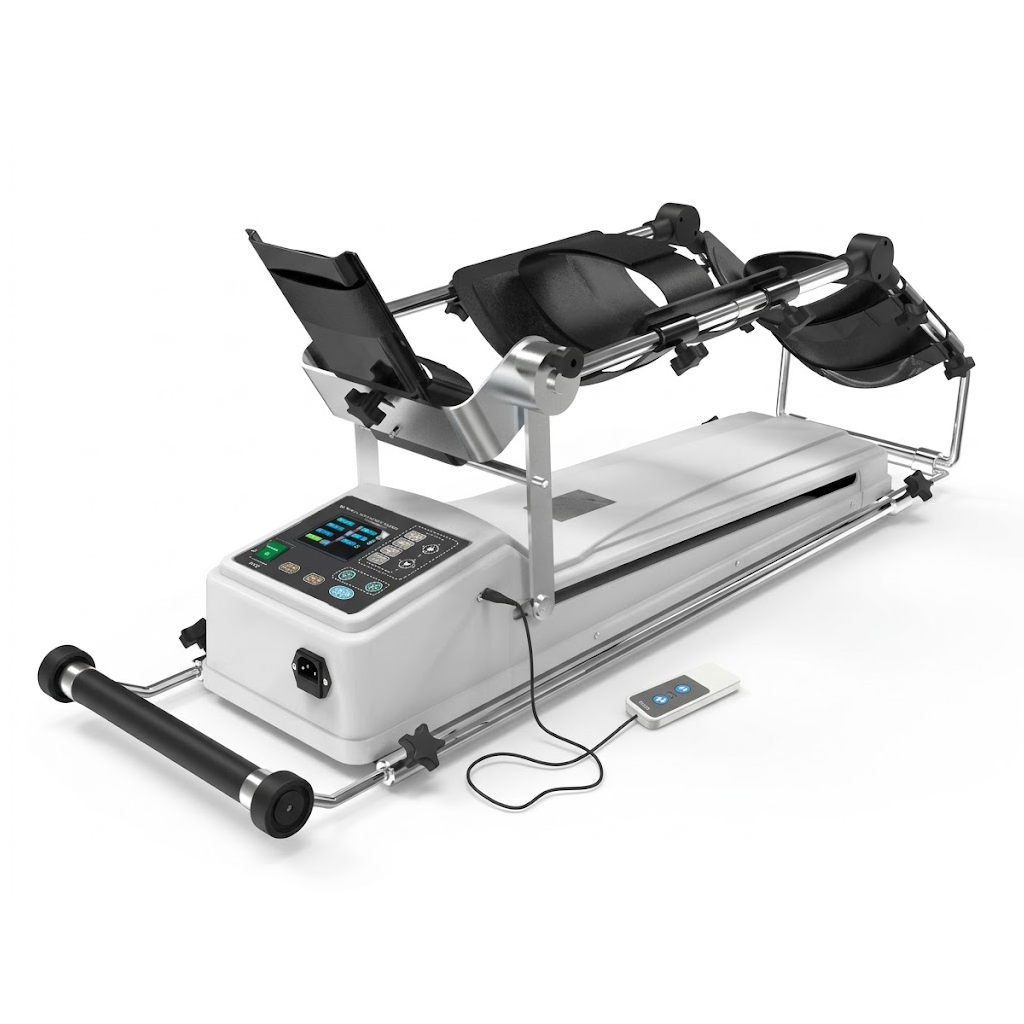
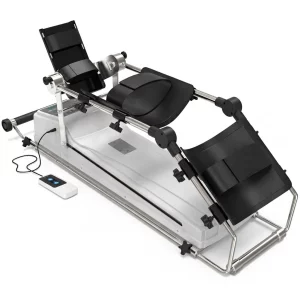
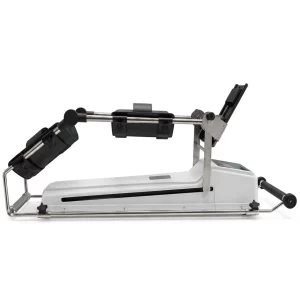
The Professional CPM Machine provides controlled passive motion for lower limb rehabilitation, helping support joint mobility and recovery training. Designed for physical therapy clinics and rehabilitation centers, it combines precise digital controls, adjustable leg supports, and built-in protection features for convenient professional use.
| Parameter | Specification |
| Product Model | CPM-E |
| Motion Range | -5° to 120° |
| Maximum Angular Speed | 4.5°/s |
| Session Timer | 0–240 Minutes |
| Control System | Microcomputer Control |
| Display | LCD |
| Input Power | 70VA |
| Rated Voltage | 220V/50Hz | 110V/50-60Hz |
| Rated Load | 150N |
| Net Weight | 33.1 lbs (15 kg) |
| Gross Weight | 40.8 lbs (18.5 kg) |
| Package Dimensions | 36.2 × 15.4 × 15.7 in |
| Recommended User Height | 4’11″–6’1″ (150–185 cm) |
Supporting Different Rehabilitation Environments
Designed for professional rehabilitation settings, this CPM machine provides adjustable passive lower-limb movement to support structured rehabilitation programs under professional supervision.
Hospitals & Rehabilitation Departments
Suitable for supervised passive motion training as part of postoperative and musculoskeletal rehabilitation programs.
Physical Therapy Clinics
Provides adjustable movement range, speed, and session duration to accommodate different rehabilitation protocols.
Rehabilitation Centers
Supports repeated passive lower-limb movement sessions within structured rehabilitation and mobility training programs.
Practical Features for Lower Limb Rehabilitation
Designed for professional rehabilitation settings, the CPM-E combines controlled passive motion, adjustable support structures, and intuitive digital controls in one compact system.
01. Multi-Joint Rehabilitation Support
Supports passive movement training for the knee, ankle, and hip, offering greater flexibility for lower limb rehabilitation programs.
02. Precise Digital Control
The LCD control panel allows users to adjust movement angle, speed, and session duration according to individual training requirements.
03. Adjustable Limb Supports
Adjustable thigh and calf supports accommodate different leg lengths, helping professionals configure the device for individual users.
04. Built-In Operational Protection
The automatic overload reversal function helps protect the system by reversing movement when an overload is detected.
05. Convenient Daily Operation
The wired handheld controller provides convenient start and stop operation, while the integrated design keeps key controls accessible.
06. Designed for Professional Use
A practical solution for physical therapy clinics and rehabilitation centers seeking dedicated equipment for controlled lower limb passive motion training.
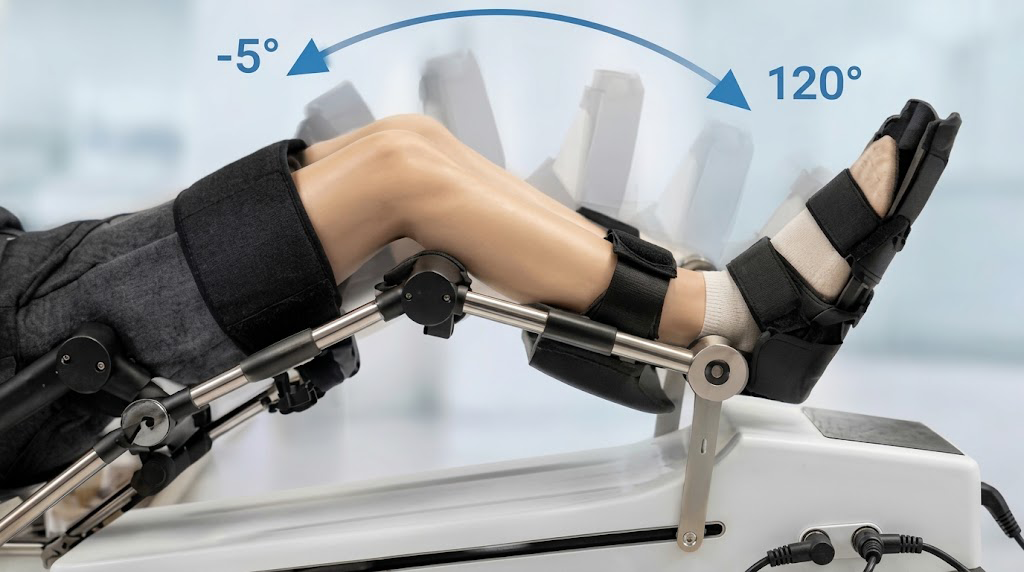
Support Joint Mobility
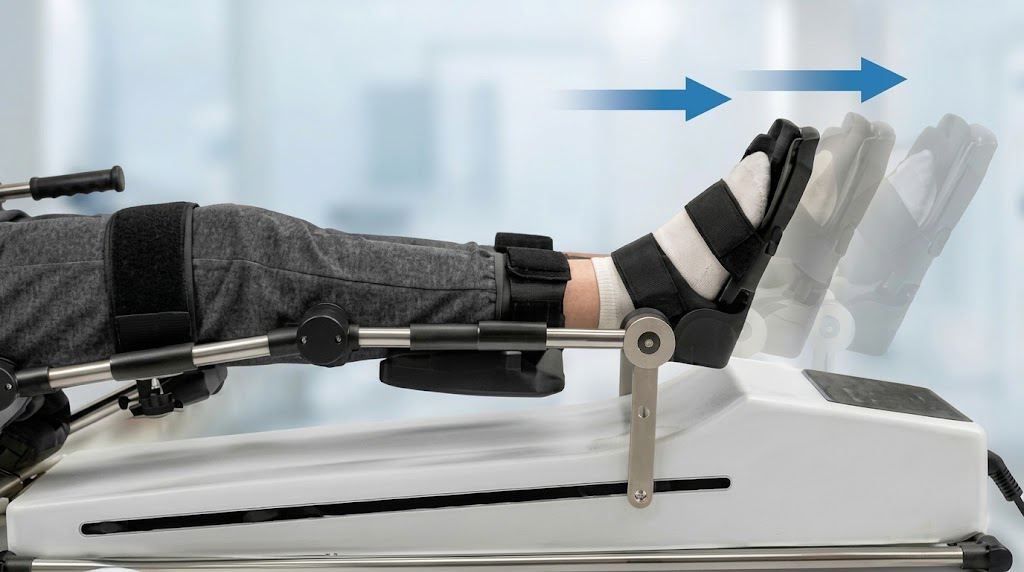
Consistent Repetitive Motion
Adjustable Rehabilitation Training
Clear Display & Adjustable Rehabilitation Parameters
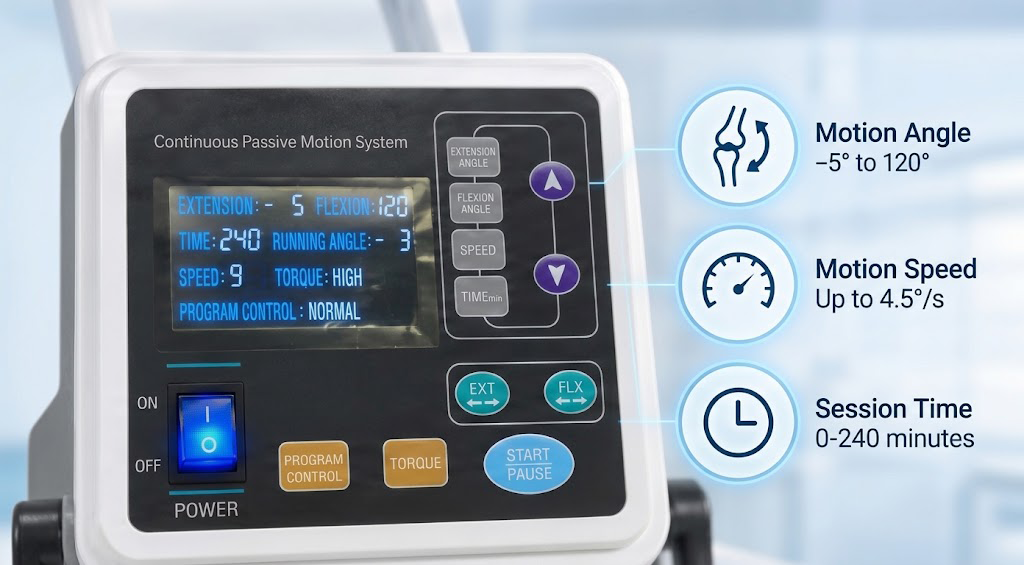
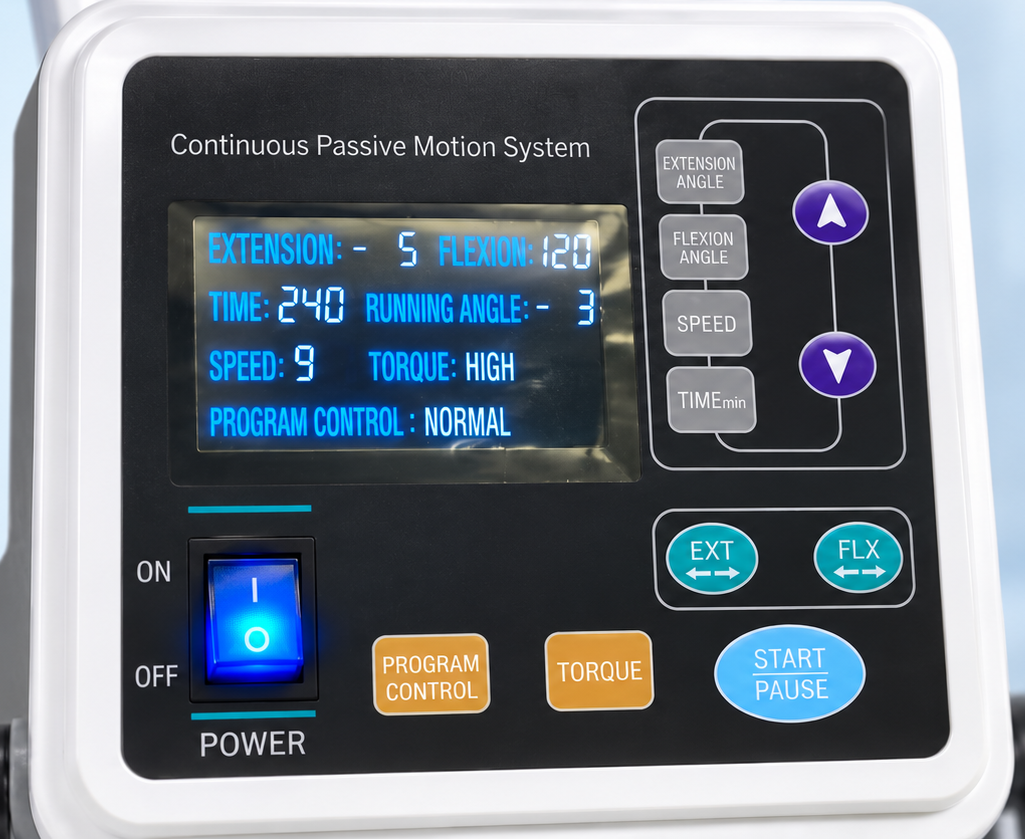
The CPM machine features an LCD digital control panel that displays motion angles, speed, treatment time, torque level, and program settings. Clearly labeled buttons allow operators to adjust rehabilitation parameters according to individual training requirements.
Adjustable Motion Angles: −5° to 120°
Flexion and extension angles can be adjusted within a range of −5° to 120°, allowing operators to configure the movement range according to rehabilitation requirements.
Adjustable Speed: Up to 4.5°/s
The movement speed can be adjusted, with a maximum angular speed of 4.5°/s, providing flexibility for different passive motion training programs.
Treatment Timer: 0–240 Minutes
The built-in timer supports treatment durations from 0 to 240 minutes, adjustable in 1-minute increments, with an automatic timed-stop function.
Program & Torque Control
Dedicated buttons allow operators to select program settings and adjust torque levels. An automatic reverse protection function helps protect against excessive resistance during operation.
Memory & Convenient Operation
The system can display previously used motion settings, making it easier to review and adjust parameters. Dedicated Start/Pause controls and a handheld controller provide convenient operation.
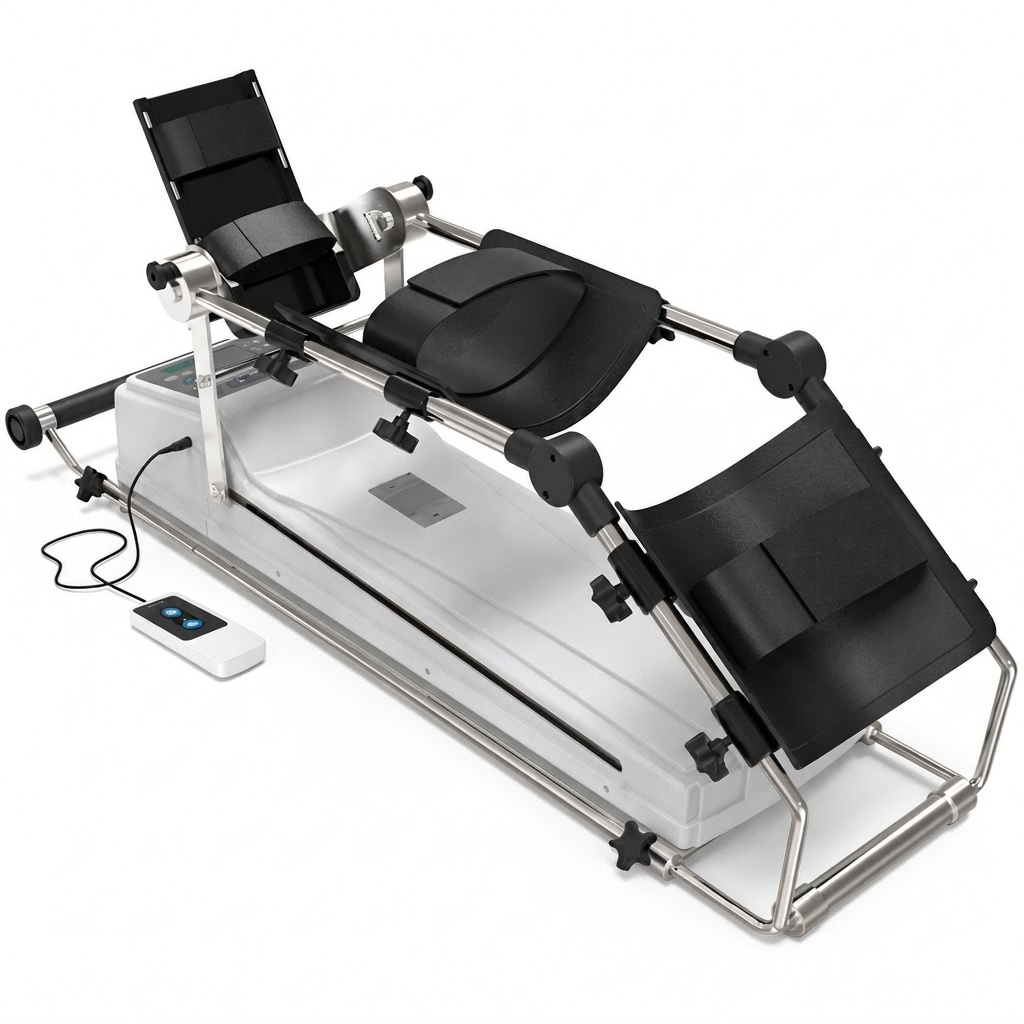
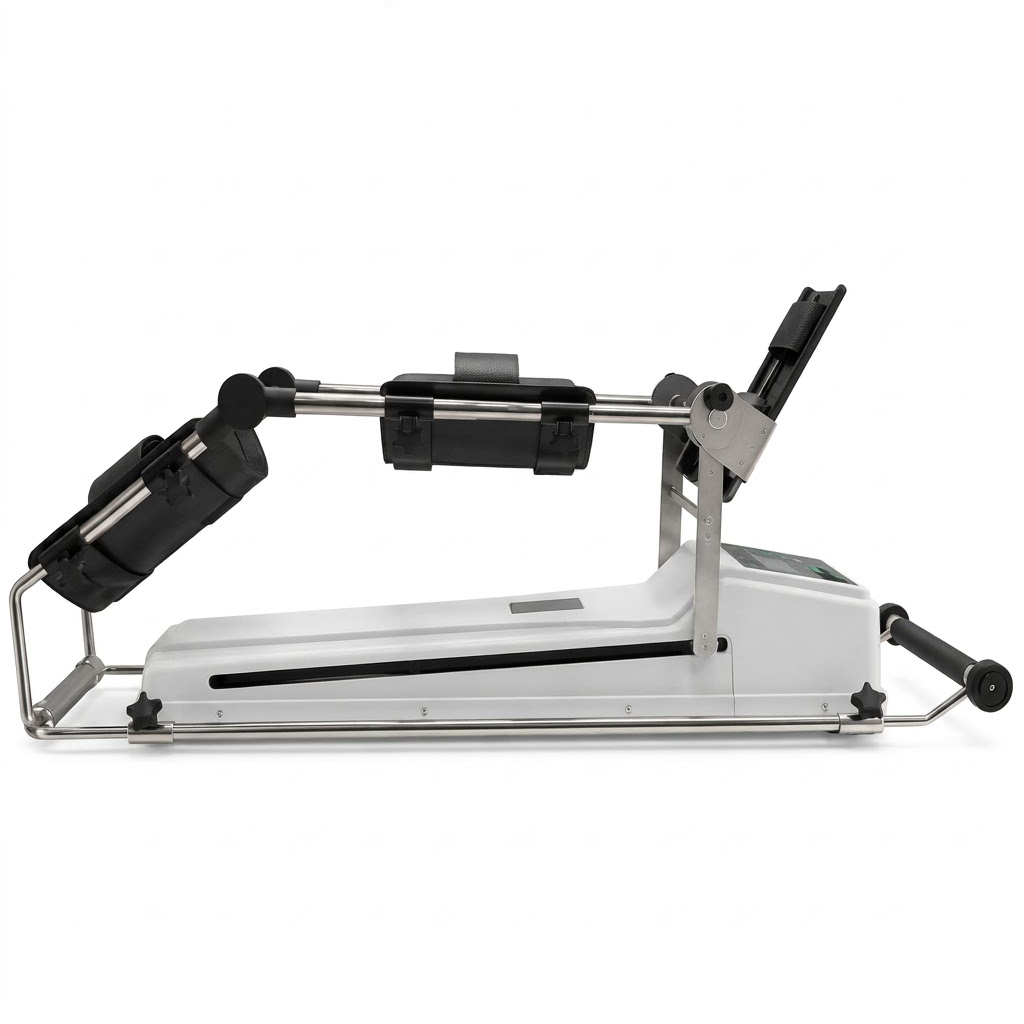
Designed with carefully arranged support components, cushioned contact surfaces, and a connected metal frame, the CPM machine helps provide stable limb positioning and a comfortable setup for continuous passive motion training.
The double-layer straps provide soft, comfortable limb support and are designed for easy cleaning between uses.
Made with molded ABS components and aluminum supports, the CPM-E combines a refined appearance with wear-resistant, pressure-resistant construction.
The thigh and calf support structures feature adjustable lengths to accommodate different leg dimensions and support positioning during rehabilitation.
Thigh support adjustment: up to 150 mm (5.9 in)
Calf support usable length: up to 550 mm (21.7 in)
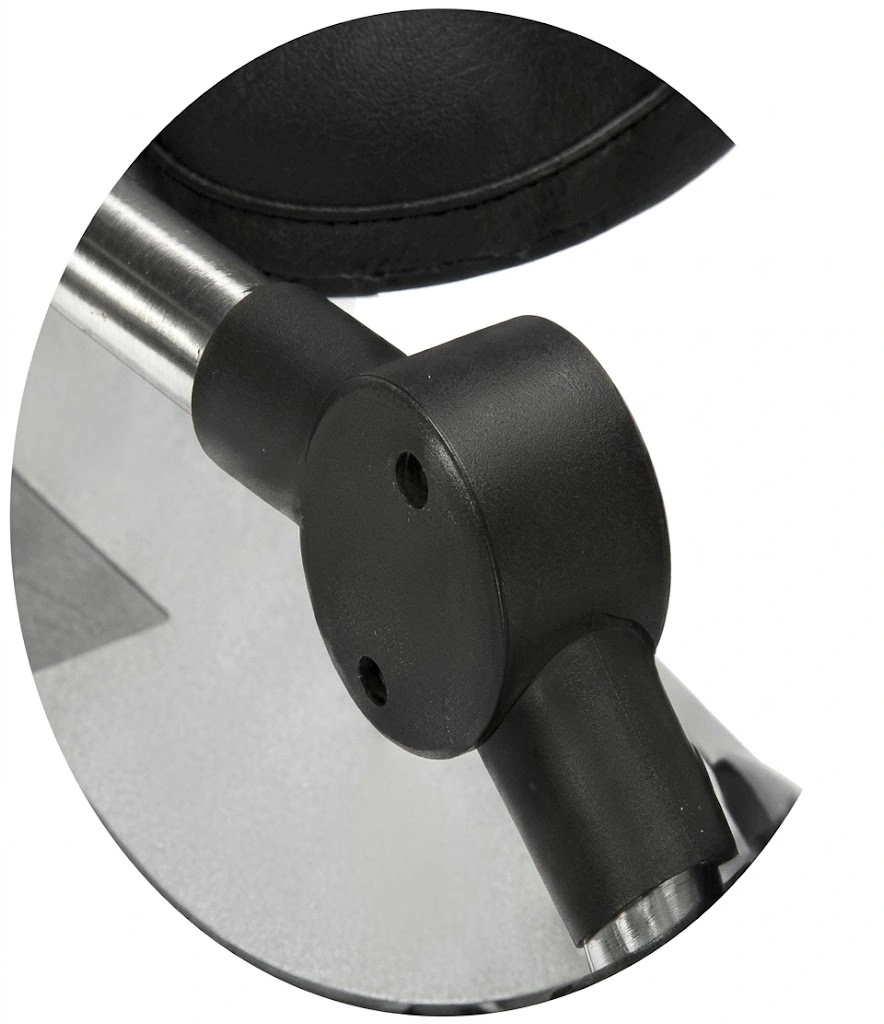
01. Reinforced Connection Joint
The integrated joint connects the metal support tubes, forming a structured support assembly for controlled passive movement.
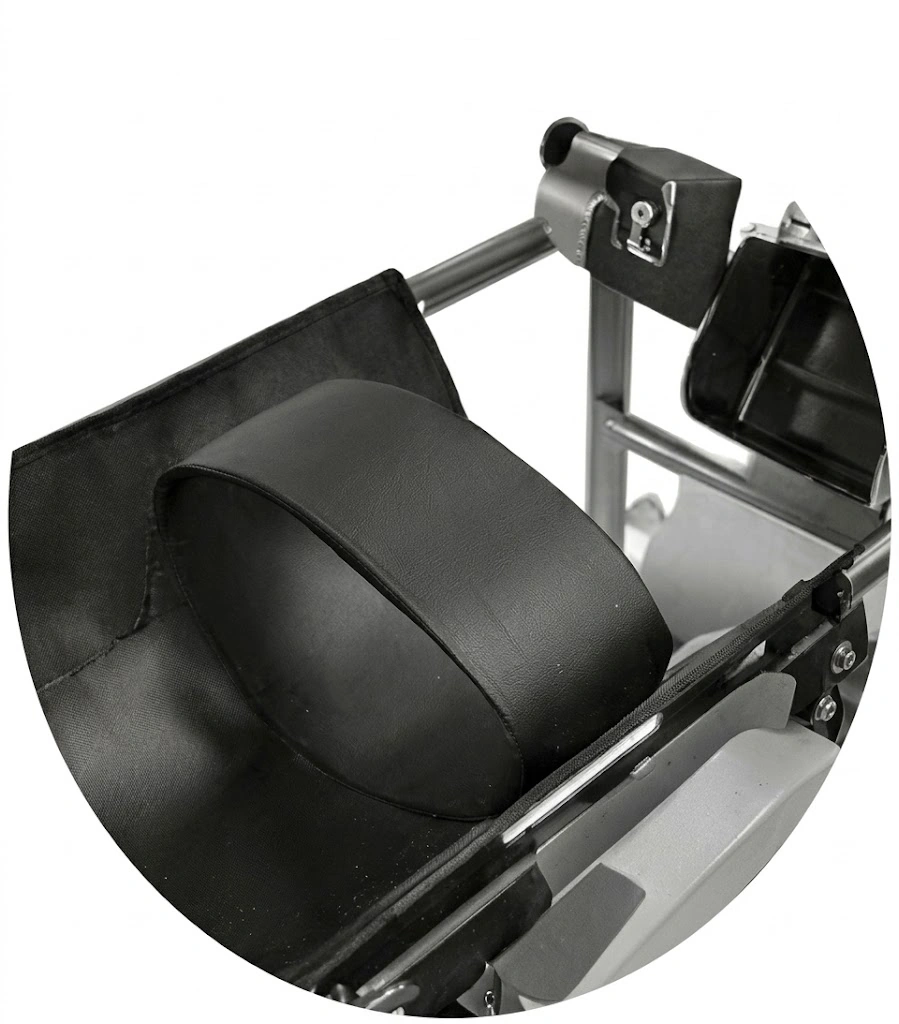
02. Cushioned Limb Support
Contoured padded surfaces provide cushioning where the limb rests, helping improve comfort throughout the training session.
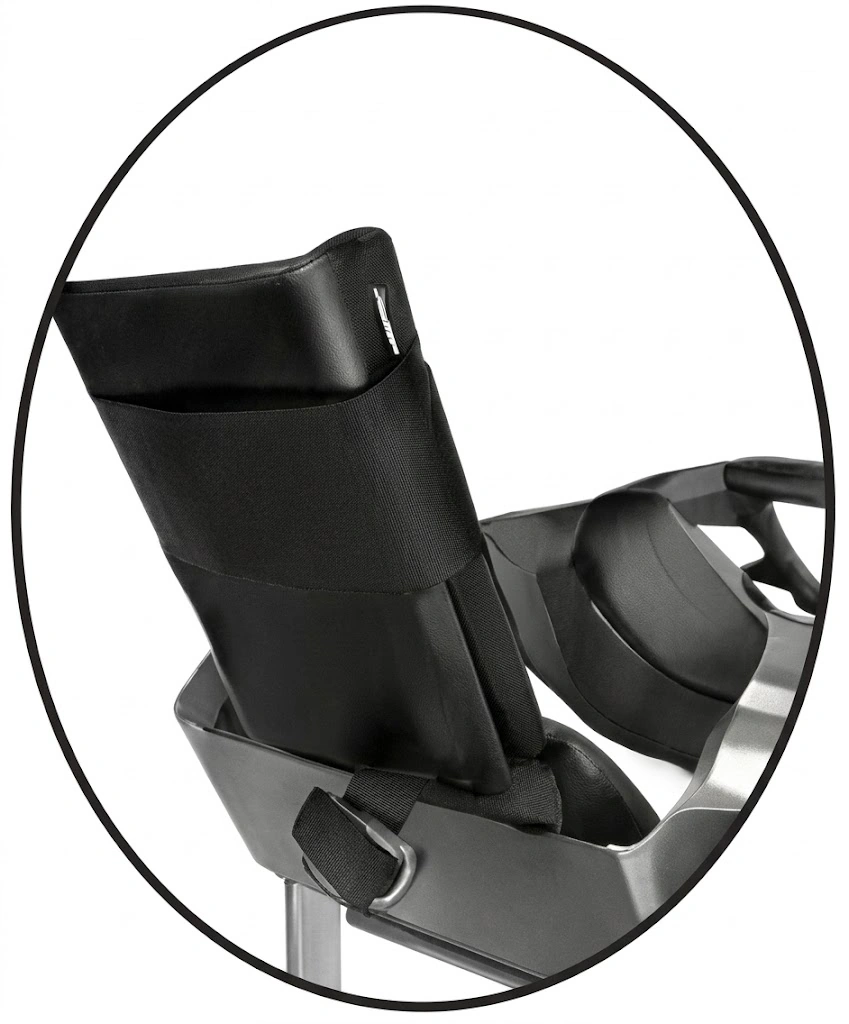
03. Secure Leg Positioning
The padded support panel and fastening strap help keep the leg properly positioned within the support assembly during passive movement training.
One CPM Machine for Different Lower Limb Rehabilitation Needs
Designed for professional passive movement training, the CPM-E system supports rehabilitation involving the knee, hip, and ankle joints.
Supports professionally prescribed passive movement training following selected lower limb joint procedures.
Provides controlled passive motion as part of rehabilitation programs addressing limited joint movement.
Supports passive movement training within professionally supervised rehabilitation programs.
Designed for Controlled and Reliable Operation
The Professional CPM Machine features built-in protection and convenient controls to support safe, consistent passive movement during rehabilitation training.
Automatic Overload Reversal
Automatically reverses movement when an overload is detected.
Timed Operation:
Adjustable session duration with automatic stopping.
Handheld Start/Stop Control:
Convenient operation without reaching the main control panel.
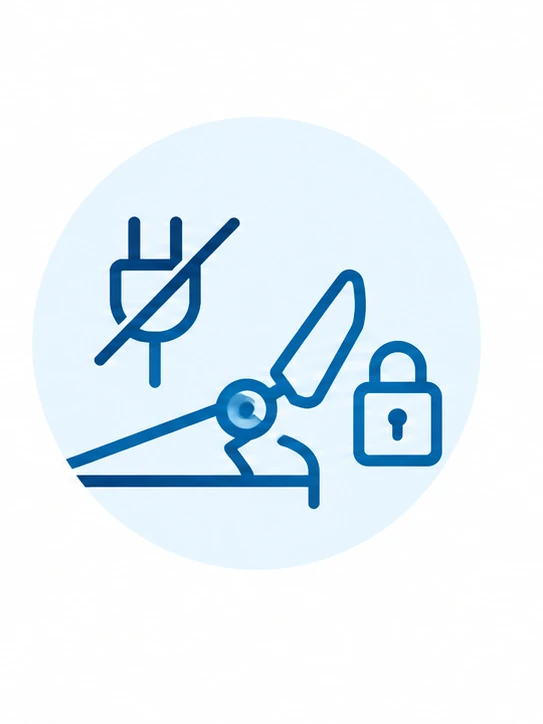
Position Retention During Power Interruption:
The support structure remains in its stopped position if power is interrupted.
| Item | Quantity |
| Main Unit | 1 |
| Support Pads | 1 |
| Footplate | 1 |
| Transport Roller | 1 |
| Power Cord | 1 |
| Handheld Controller | 1 |
| User Manual | 1 |
| Warranty / Quality Certificate Card | 1 |
The CPM Machine uses a motorized system to move the lower limb through a preset range of motion without requiring active muscle effort. Movement angle, speed, and session duration can be adjusted through the digital control system.
The machine is designed for passive movement training involving the knee, ankle, and hip joints.
The machine offers an adjustable motion range from -5° to 120°. The appropriate settings should be determined by a qualified rehabilitation professional.
Yes. The machine supports adjustable movement speed, with a maximum angular speed of 4.5°/s.
It may be used as part of a professionally prescribed postoperative rehabilitation program when CPM therapy is clinically appropriate. Suitability depends on the procedure, patient’s condition, and rehabilitation instructions.
Yes. The adjustable support structure is designed to accommodate different leg dimensions. The recommended user height is approximately 150–185 cm (4’11″–6’1″).
Reviews
There are no reviews yet.